
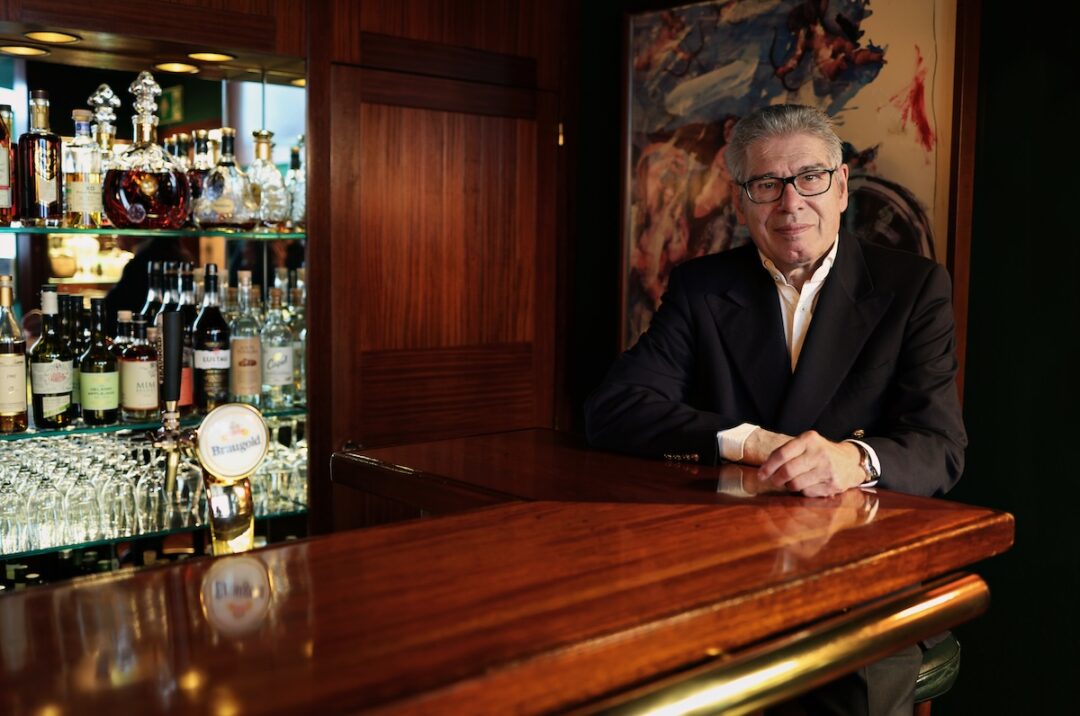
It was a crisp morning when we had the pleasure – and honour – of sitting down over a coffee with Peter Roth, the first Swiss bartender to win the World Championship. A man who not only made history on the international stage, but also helped shape one of Switzerland’s most legendary cocktail bars: the Kronenhalle Bar.
After four decades behind the bar, Peter retired ten years ago. Yet he remains deeply connected to the scene and is still a highly respected figure in the bar world today.
In Part I, Peter takes us back to the beginnings of his remarkable journey; from a cruise around the world to the bar, his very own rockstar moment, and the story of what Roger Moore left behind in the Kronenhalle guestbook after tasting one of his creations.
Read on and raise a glass to a true Swiss bar legend.
And stay tuned for Part II, where Peter reveals what makes a cocktail truly timeless, the story behind his legendary “Ladykiller” and much more…
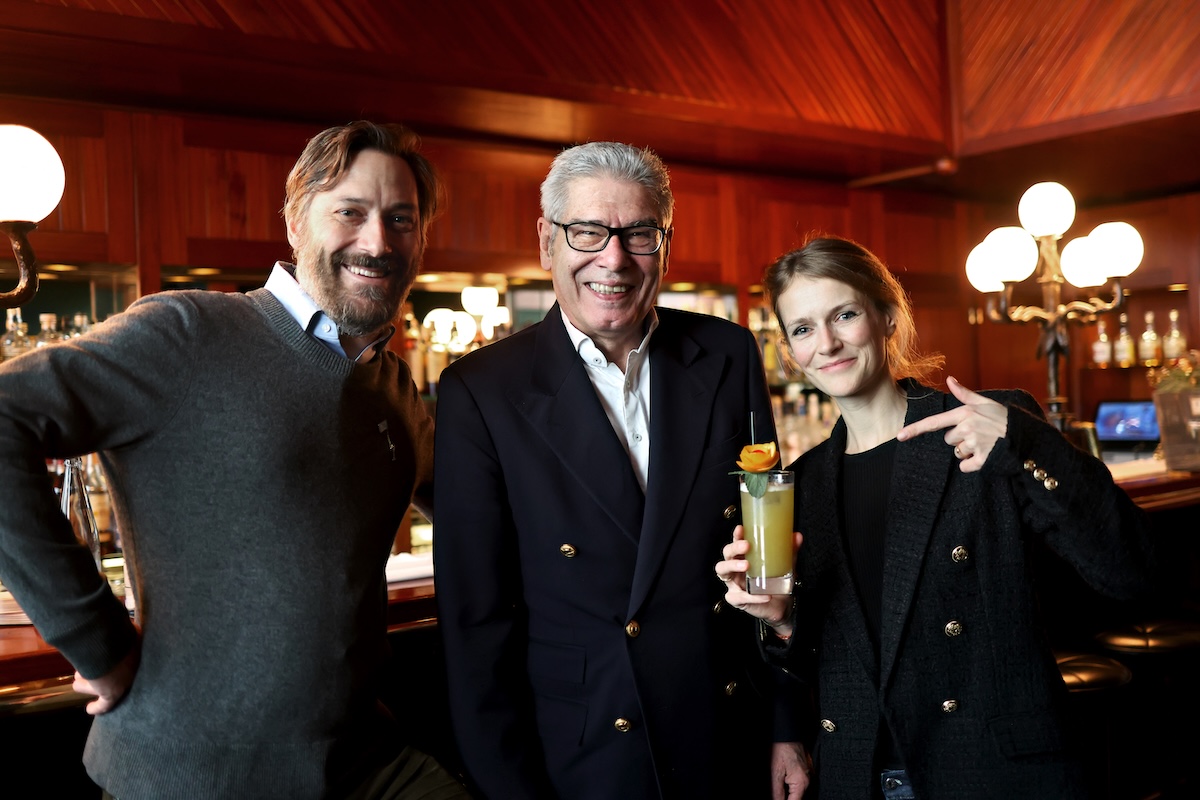
Peter, how did your journey to the Kronenhalle begin?
I was born in Erlinsbach, in the canton of Aargau, and I also went to school there. At sixteen, I decided to start an apprenticeship as a chef. My mother was a very good cook, and my father loved to eat, so food was always present in our home. I had other ideas at first, one was becoming a decorator but my parents didn’t think that was such a good idea. Creativity, however, was always a central part of my life.
“I had other ideas at first, one was becoming a decorator.”
Peter Roth
I then began a two and a half years apprenticeship in Laufen in the Basel region at a hotel called Jura, while attending school in Basel. Toward the end, I asked one of my teachers if they knew of any job opportunities in the French-speaking part of Switzerland so I could learn French. I had the choice between Montreux Palace and the President Wilson Hotel in Geneva, and I decided to go to the latter. This was in the late 1960s.
I stayed there for eight months and learned a great deal. I enjoyed it immensely, although I didn’t actually learn much French, because everyone in the kitchen spoke German. I liked working there, and the executive chef was a good person, so in that sense I was lucky.
After that, it was time to join the army. I did my recruit school in Fribourg. After the basic training, I mostly worked in the kitchen. Once that was finished, I returned to Zurich and worked in the kitchen at Hotel Continental. Afterward, I moved to Hotel Zürich on Neumühlequai, and because I was missing the direct contact with the guests, I started to work at the cocktail bar for the first time. It was a new, stylish hotel with piano music in the bar area. I started as a Commis de Bar, then became Demi Chef de Bar, and worked my way up.
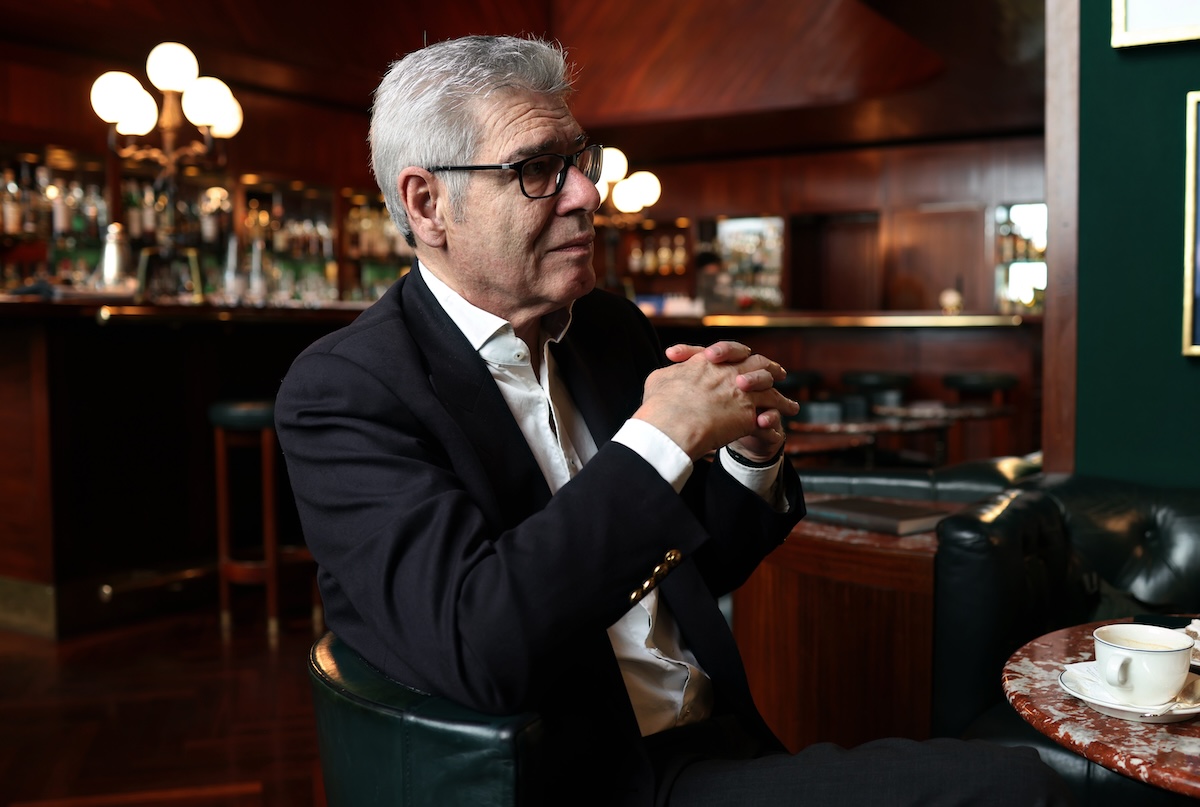
During that period, I had the opportunity to do an internship at the hotel Intercontinental in Geneva. That was incredibly tough since the hotel had several bars, did catering, and hosted large functions. I learned a lot, working across different bars and helping with catering as well.
I had a strong urge to gain international experience, but it took time. Eventually, someone told me about the Zurich Metro Office, which worked like an agency and collaborated with the Royal Viking Line, the most modern cruise fleet at the time with three ships.
“I got hired as a bartender on board and then my adventure began.”
Peter Roth
I got hired as a bartender on board one of the ships called Royal Viking Sky and then my adventure began: because the bars weren’t always open when guests were ashore, we had the chance to explore as well. I started in Northern Europe for three weeks during the summer, then continued to the Mediterranean, followed by the Caribbean: through the Panama Canal, Mexico, up to Los Angeles and San Francisco. After that, we went to the South Pacific: Hawaii, Tahiti, Bora Bora, Moorea, Tonga, then New Zealand and Australia. From there, we went to the Far East and back again.
The ships carried several hundred guests and just as many crew members. I stayed for two years. It was a tremendous experience – not only seeing the world, but also working with people from many countries. You shared everything: work, free time, and living space. Even if you didn’t like someone, you still had to work with them. That was a major lesson, sometimes very similar to the army.
When I returned home in 1975, Switzerland was in recession because of the oil crisis. There were no jobs. I could have gone back to polishing glasses, but it wasn’t easy – there were hardly any job postings. I searched for several months before finding a position at the Waldhaus in Valbella. They had a dance bar in the cellar, and I worked in bar service. Cocktails weren’t a big thing at the time, and the work was very tough: sixteen-hour days, children’s dances in the afternoon, and opening hours until 4 a.m. I stayed almost a year and experienced all four seasons.
“At first, Kronenhalle Bar felt very small and intimate compared to the large bars I was used to.”
Peter Roth
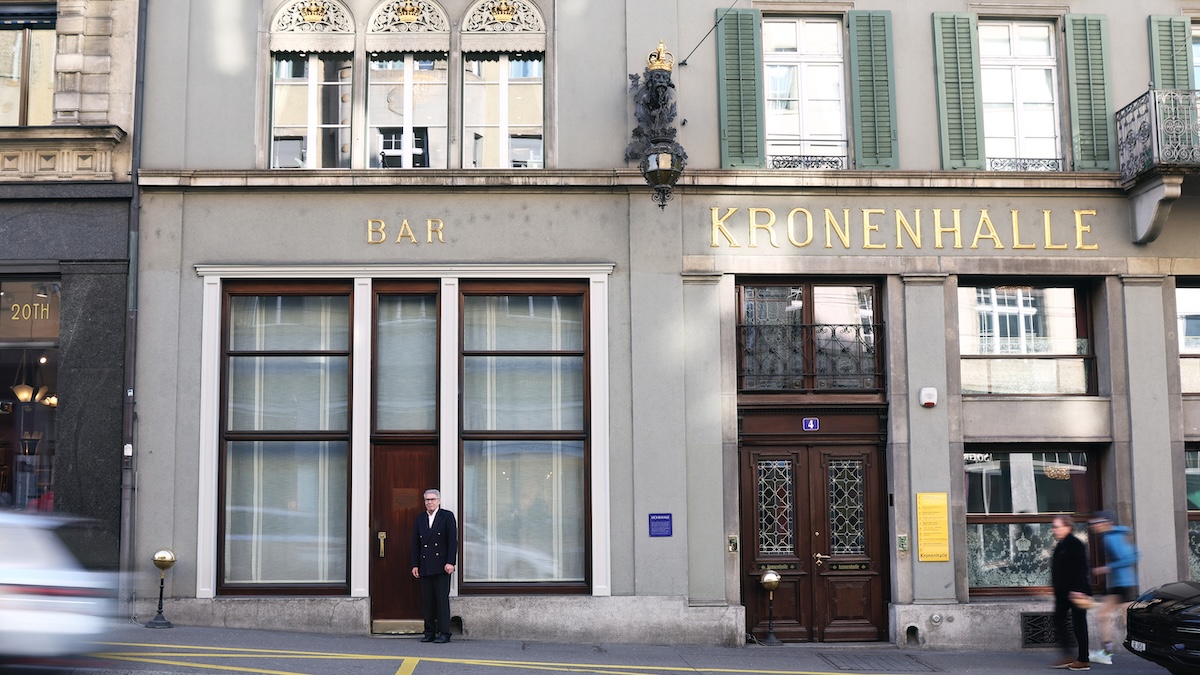
During that time, I heard that Kronenhalle Bar was looking for staff. Even then, Kronenhalle already had a strong reputation. At first, it felt very small and intimate compared to the large bars I was used to, but that impression soon turned into exactly what I came to love: personal service, intimacy, and a manageable size.
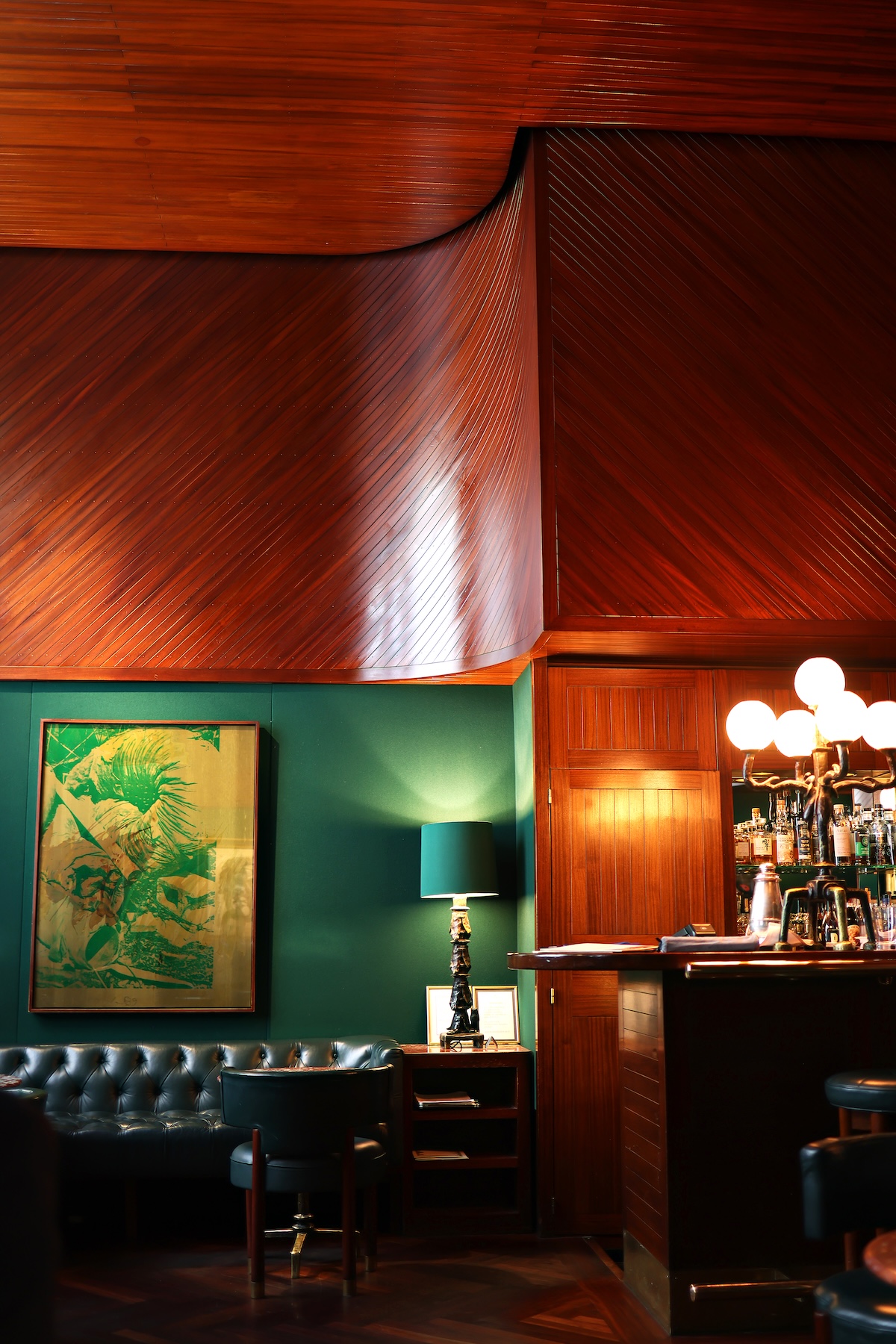
“Forty-one years in the same place – who would have thought?”
Peter Roth
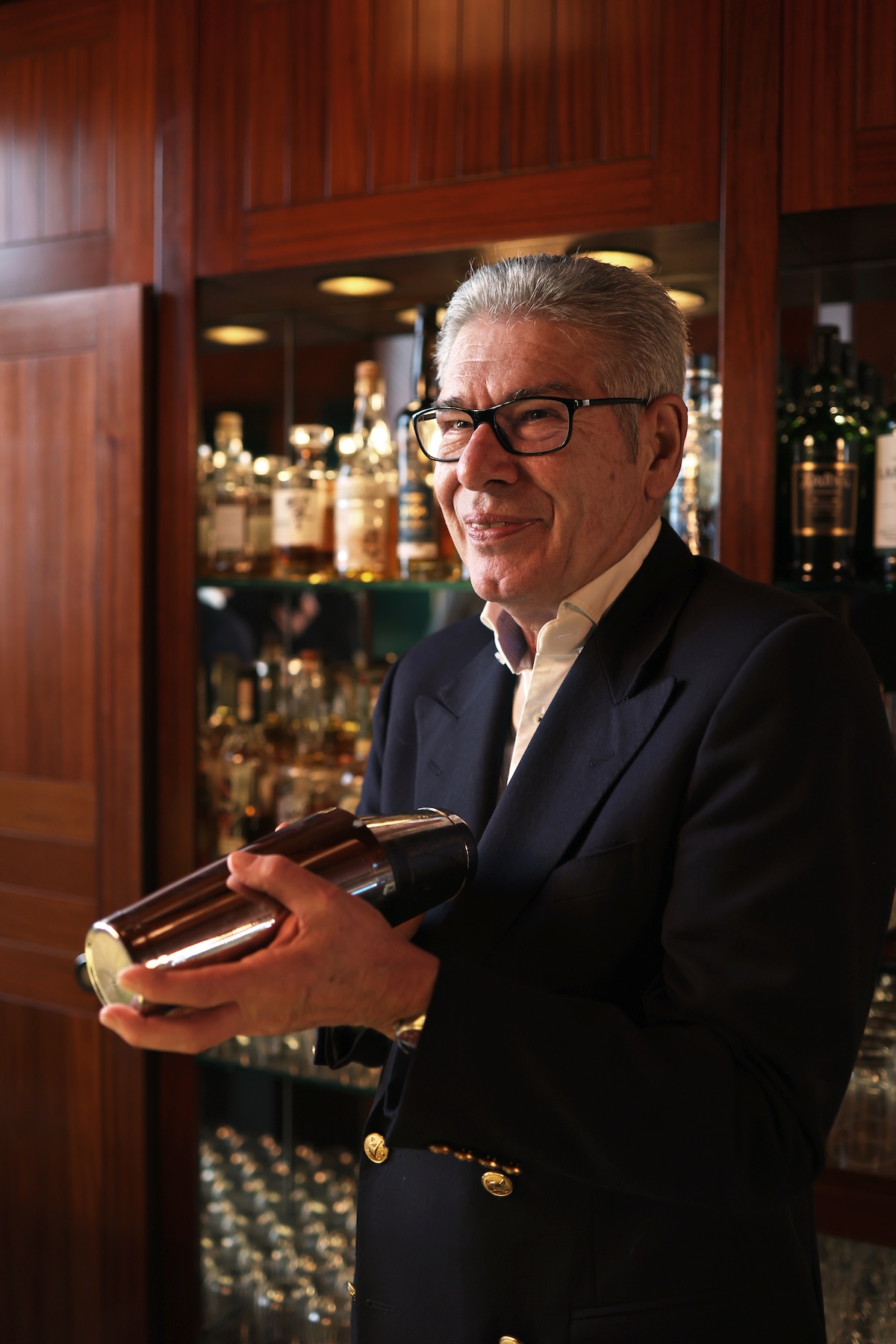
I wanted something more permanent, I liked Zurich, and I wanted to work behind the bar, so I applied. One of my guests at Waldhaus told me about the open job. Paul Nüesch, the former Chef de Bar, initially told me the position was already filled, but suggested I apply the following season. I did – and in 1976 I started straight away as his deputy. I was only twenty-four at the time. 8 years later I became Chef de Bar, this was the same year in which I won the Long Drink World Championship with my Ladykiller cocktail. Eventually I retired in 2017. Forty-one years in the same place – who would have thought?
Paul Nüesch then also introduced me to the Swiss Bartenders Union (SBU), which was quite elitist at the time. Today I’m still an honorary member of the SBU.
Once you started at Kronenhalle Bar, did you ever feel the urge to move on again?
I had my responsibilities at Kronenhalle, but at the same time I was able to travel the world. My deputy Hildegard Müllner worked with me for thirty years – she was the “interior minister,” and I was the “foreign minister.” I traveled to many competitions and acted as an ambassador. That way, I always had a safe place to return to while still seeing the world.
“I realized I was living entirely for that bar.”
Peter Roth
But I never imagined I would stay until retirement. The older you get, the less you feel like starting over. Life moves on, and at some point, I realized I was living entirely for that bar.
What was the defining moment of your career?
In the course of my career, I took part in many competitions on both a national and international level. One year, I lost the world championship by just one point. The following year, in 1984, I trained intensely with my team and even with our guests, who always had excellent taste and were a tremendous help. The hard work paid off – in the same year, I actually became the first Swiss world champion in the Longdrink category with my drink “Ladykiller”. Because of this title, the German television channel ZDF eventually contacted me and invited me to appear on the show Na sowas! with Thomas Gottschalk. Backstage in makeup, I was alone with Mister Gottschalk which felt a bit like a rock star moment. He later sent many guests my way.
So 1984 was the most important year of my career. The rest were wonderful travels thanks to competitions, which I still cherish deeply.
Which people or bars influenced you the most?
The Ritz in Paris was always an icon for me, especially the atmosphere. It was extremely elegant, just as it still is today. The legendary bartender was Monsieur Michel Bigot, a true legend.
If there is one moment that always comes back to you, what is it?
When Roger Moore once visited the Kronenhalle Bar and I did not recognise him right away, I was lucky that the stirred Martini was intended for his companion. For Roger Moore, of course, it had to be shaken in a shaker. The actor thanked me with an entry in my personal guestbook dated January 24, 1999: “As always delicious.”
……to be continued in Part II
Images: ©Bodan Barabash
No Comments